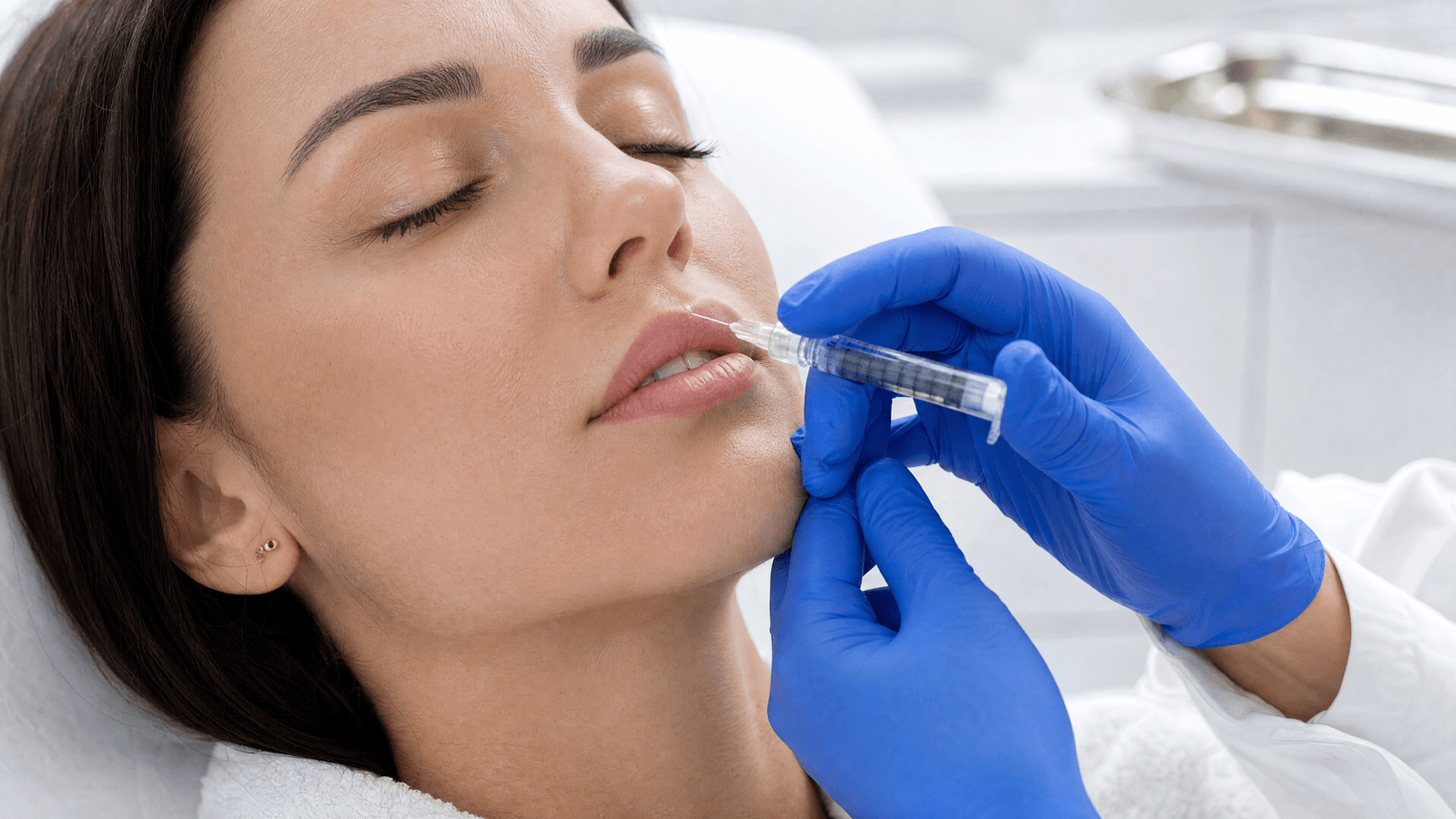
The under-eye is the most technically demanding filler area on the face. Skin is the thinnest on the body — about 0.5mm — and the underlying anatomy is dense with blood vessels that connect to the eye. The wrong product or wrong depth produces visible lumps, bluish discoloration (Tyndall effect), or rare vascular complications. Done well, it transforms the "tired eye" look. We use precision HA products (Restylane Eyelight, Volbella) and cannula technique exclusively in this area for safety.
About a third of patients who come in asking for under-eye filler get a different recommendation. Reasons: (1) cheek filler often eliminates tear-trough appearance by lifting the lower lid — addressing cause rather than symptom; (2) "dark circles" that are pigmentation rather than hollowing don't respond to filler at all; (3) significant fat-pad bulging or pronounced tear trough deformity is better addressed surgically (lower blepharoplasty). Most clinics inject what you ask for — we'd rather you get the right result. When tear trough filler IS the right tool, we use cannula technique exclusively, place product in the supraperiosteal layer, and limit volume to what the skin can hide. The Tyndall effect (bluish discoloration through thin skin) is the #1 visible complication of poor under-eye filler — preventable with proper depth and product choice. Contraindications: active infection, severe puffy eyelids requiring surgical correction, blood-thinners, pregnancy.
Key Benefits
Common questions
Frequently asked
Why is under-eye filler riskier than other areas?
The under-eye has dense vasculature including arteries leading to the eye. Vascular occlusion here can theoretically cause vision changes — extremely rare but the highest-stakes filler complication possible. This is why under-eye should only be performed by experienced injectors. The good news: HA fillers are reversible, and we carry hyaluronidase on-site.
What is the Tyndall effect?
A bluish or grayish discoloration that can show through thin under-eye skin if filler is placed too superficially or if the wrong (thicker) product is used. It's the #1 visible complication of poor under-eye filler. Reversible with hyaluronidase, but easier to prevent than fix.
Am I a good candidate for tear trough filler?
Good candidates have under-eye hollowing without significant fat-pad bulging or thin/crepey skin. If your hollows are mild-to-moderate and skin has reasonable thickness, filler works well. If you have strong tear trough deformity with bulging fat pads, lower blepharoplasty is often a better fit. We'll tell you honestly.
Can I combine under-eye filler with other treatments?
Yes — under-eye filler often pairs well with ClearLift laser to improve dark circles caused by skin pigmentation, Jeuveau for crow's feet, and mid-face cheek filler that lifts the lower lid and reduces tear-trough hollowing.